Table Of Content
Scalp hair grows at the rate of about one-half inch per month. The length of time the hair remains in this phase determines how long the hair becomes. Eyelashes and eyebrows, on the other hand, have a growth phase of only one to six months. They grow slower than scalp hair, but don't have to get very long.

Root sheath[change change source]
Trichotillomania (TTM) is a mental disorder in which people feel an overwhelming need to pull out their own hair. Several serious diseases also attack the hair follicle, says Robert Brodell, a dermatologist at the University of Mississippi Medical Center. While alopecia doesn’t typically affect your physical health, the emotional and psychological distress it can cause are very real.
What are common types of hair loss?
Folliculitis can go away without treatment, but a doctor can diagnose you and give you medication to help manage it. This can include topical treatments or oral medications to treat the cause of the infection and soothe the symptoms. Your hair growth rate can be affected by your age, hair type, and your overall health.
Will folliculitis come back?
Why You Should Never Pluck Gray Hairs, According to Hairstylists - Real Simple
Why You Should Never Pluck Gray Hairs, According to Hairstylists.
Posted: Tue, 20 Dec 2022 08:00:00 GMT [source]
Being gentle with your hair while it’s experiencing change is important so as not to exacerbate any thinning. It goes without saying that excessive heat and chemical treatments aren’t a good idea, but try and opt for protective hairstyles too. “Opt for hairstyles that minimize tension on the hair follicles, such as loose braids, buns or ponytails,” advises Gaboardi.
How Do You Know if Your Hair Follicles are Damaged?
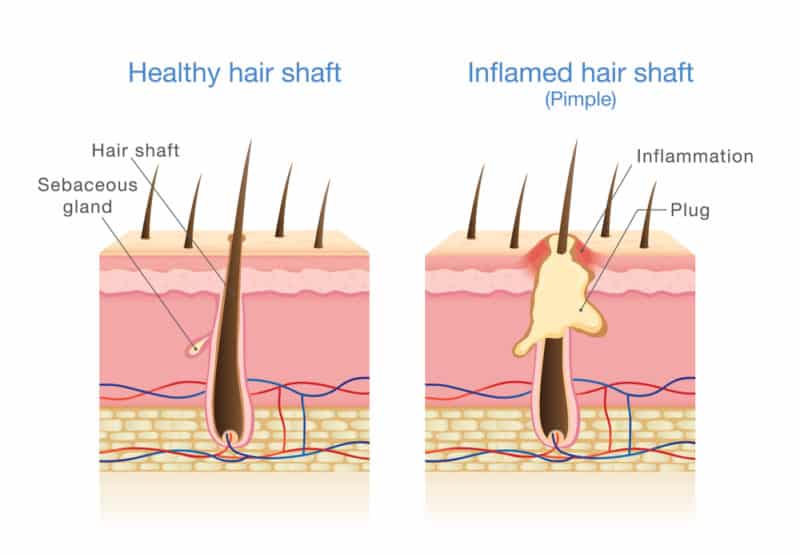
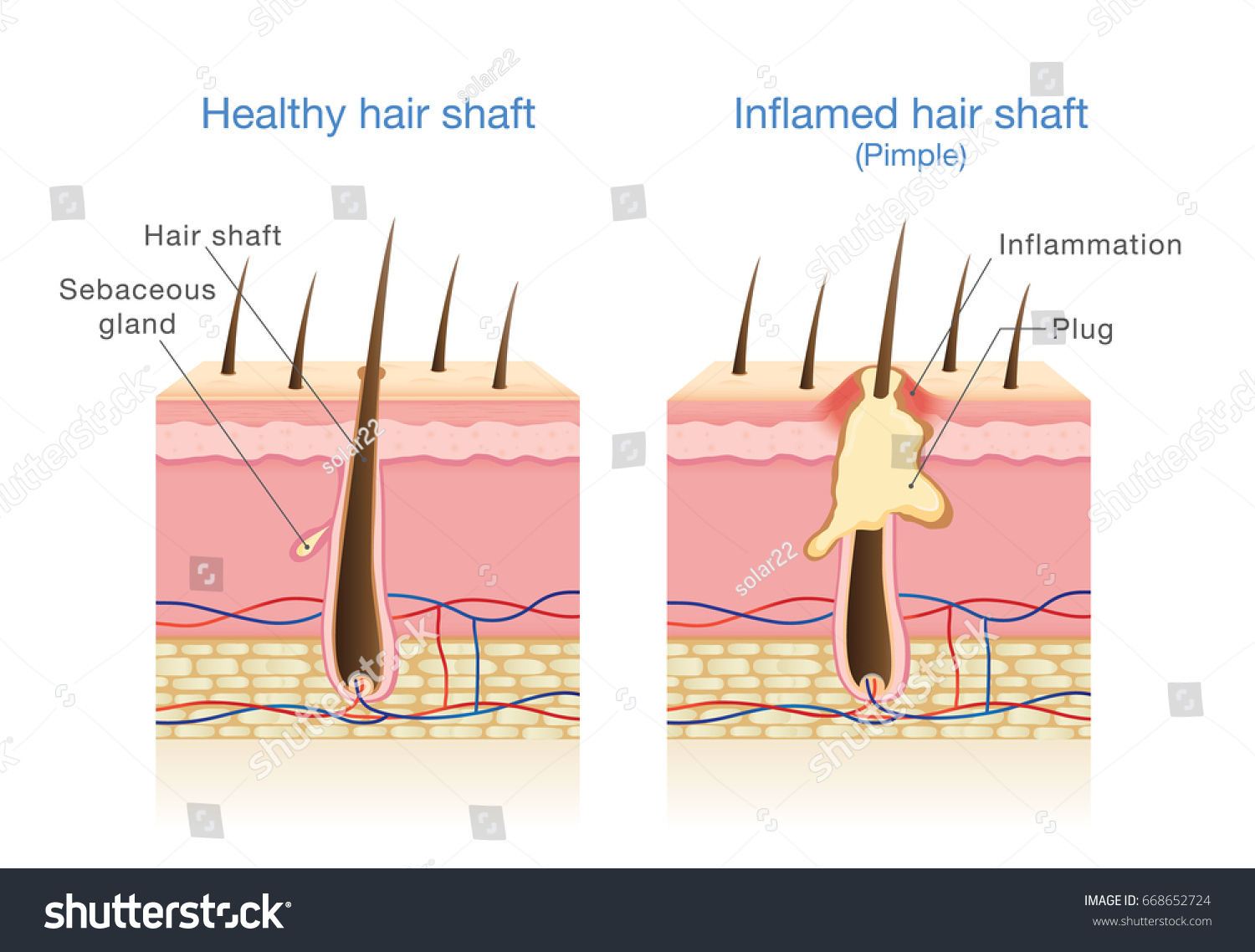
The follicle is a small hole in the scalp where the hair is produced. This process restarts immediately after plucking, although it might take a while for you to actually see hair. White bulbs are just the gelatinous part of the root that help keep the hair in place inside the hair follicles. Taking tweezers to your eyebrows is common, but lots of people pluck out follicles along their hairline and other parts of their scalp, as well.
Hair Shedding vs. Hair Loss
Home remedies such as essential oils and improving overall hair and scalp health may also provide some benefit. It is important to seek professional help and develop a tailored treatment plan for trichotillomania to achieve the best results. Another home remedy that may help promote hair regrowth is improving overall hair and scalp health. Additionally, avoiding harsh hair treatments and minimizing heat styling can help prevent further damage to the hair and promote regrowth. In conclusion, several factors determine whether or not a hair can regrow after being pulled out. The severity of the hair pull, the health of the hair follicles, and the individual's overall health and genetics all play a role.
Your doctor or mental health professional can help you figure out which ideas might work best for you. Together, you will come up with a personalized plan to treat your trichotillomania. They will work with you to learn and practice different strategies. Many types of therapy can support people with trichotillomania and even help them stop hairpulling completely. Doctors aren't sure exactly how common trichotillomania is because many people who have it don't tell their doctors. Scientists think 3.5% of all people experience hairpulling at some point in their life, and it might be higher.
Male Pattern Hair Loss
A number of hair conditions are caused by issues with hair follicles. If you think you have a hair condition, or if you have unexplained symptoms like hair loss, it’s best to consult with a dermatologist. Wherever you have hair on your body, you also have hair follicles.
What are the symptoms of folliculitis?
Dermatologists treat alopecia areata with medication that may help hair regrow. If you are interested in talking with other people who have alopecia areata, NYU Langone hosts a monthly support group for people with this condition. Telogen effluvium usually begins three months after a medical event. If the triggering event is temporary—for example, if you recover from an illness or stop taking the medication causing the hair loss—your hair may grow back after six months.
Hair is not digestible in the stomach and can build up into a hair ball. This can severely irritate the stomach lining, leading to severe ulceration. Treating trichotillomania is difficult; therapists can probably help more than dermatologists. Most of the time, people with trichotillomania pull out their hair with their fingers, but you might also use tweezers or other tools. With focused pulling, people know that they are doing it but can't stop themselves.
Pulling Your Hair Out? It Might Just Help Reverse Baldness - Smithsonian Magazine
Pulling Your Hair Out? It Might Just Help Reverse Baldness.
Posted: Thu, 09 Apr 2015 07:00:00 GMT [source]
In this article, we will explore the science behind hair growth and discuss the typical timeframe for regrowth. Around the papilla is the hair matrix, a collection of epithelial cells often mixed with the pigment-producing (color) cells, known as melanocytes. Cell division in the hair matrix is responsible for the cells that will form the major structures of the hair fiber and the inner root sheath. If your hair follicles are still alive, hair growth products that contain peppermint, rosemary, and lavender can help them generate healthy hair faster.
Most commonly, people with trichotillomania pull out hair from their scalp. They may also pull out their eyelashes, eyebrows, facial hair (like beards or mustaches), or armpit, leg, or pubic hair. Often, they pull when they're stressed or bored as a way to soothe themselves. Repeated plucking of hair can cause changes in the hair shaft that prevent the normal amount of cuticle formation. The hair that temporarily grows in those follicles may be abnormally thin or fragile. This hair is called "vellus" hair and is the forerunner of normal hair.
Through therapy, individuals can learn alternative behaviors to replace hair pulling and develop healthier coping mechanisms. CBT has been found to be highly effective in reducing hair pulling behavior and promoting hair regrowth. When it comes to hair growth, the health of the hair follicles is crucial. The hair follicle is a tiny sac within the dermis of the skin where hair grows. It is responsible for the production of new hair cells, which eventually form the hair strand that we see on the surface.
Anagen effluvium is rapid hair loss resulting from medical treatment, such as chemotherapy. These potent and fast-acting medications kill cancer cells, but they may also shut down hair follicle production in the scalp and other parts of the body. Dermatologists can offer medication to help hair grow back more quickly. Hair transplantation and permanent eye make-up tattoos for permanent hair loss are options for some. These procedures are painful, expensive, and carry with them some medical risks, such as special precautions used to have an MRI scan done after permanent make-up. Although expensive, hair transplantation of one follicle at a time can be performed on the scalp or brows by specialized plastic surgeons.
Therefore one should not give up hope for natural re-pigmentation of the hair for at least two to eight years! As aging occurs, the ability of melanocytes to color the hair once more is apparently less likely to recover and the "graying" of the hair may not be reversible. Damaged hair follicles may leave the roots feeling dry and dehydrated, but your client can soothe any irritation with a scalp mask, like INVIGO Senso Calm Sensitive Mask. Fragrance-free and infused with calming allantoin, it works to alleviate itchiness, while strengthening your client’s hair for a dose of root-to tip care. It’s easy to use too; after shampooing, they simply smooth it through strands from scalp to ends, allow it to absorb for five minutes, then rinse thoroughly and style as usual. When hair follicles become blocked in areas of the body containing sweat and oil glands, they can turn into hidradenitis suppurativa, a chronic skin condition.
Once the cuticle is removed from hair fiber then the hair cortex swiftly breaks down. While shedding is crucial to the growth cycle, excess hair loss may mean the follicles are struggling to function as they should. Strands may be growing thin and weak, your client may notice hair breakage through the lengths, or the hair may be falling out altogether. Your client has probably heard of hair follicles, but they might not know what they actually are – and they may be even less aware of how a follicle becomes damaged. While the lengths of hair get plenty of attention, the scalp, roots and follicles are often overlooked in daily care routines. But, as every hair professional knows, strands are only healthy if they’re nourished from root to tip.


No comments:
Post a Comment